Details
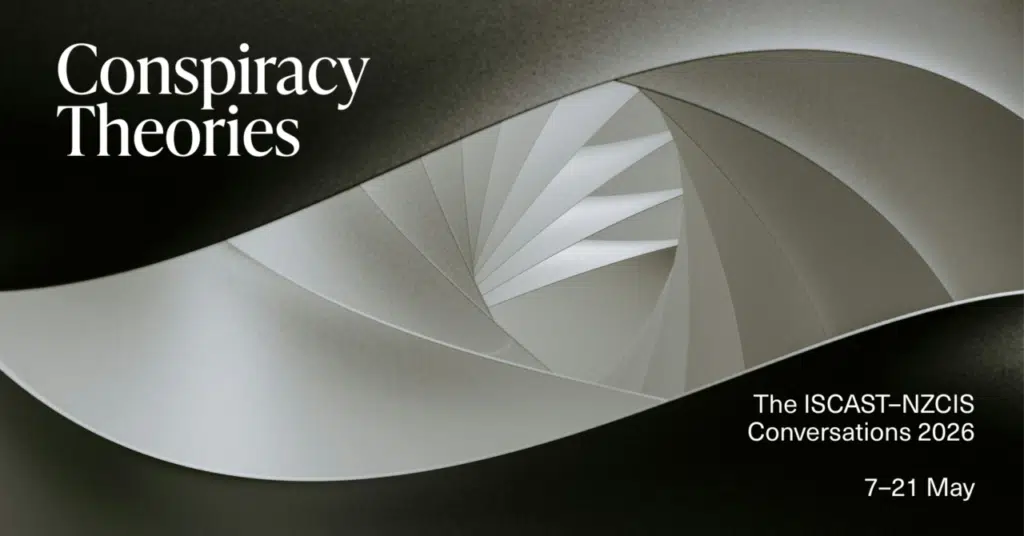
WHEN: Thursday evenings, 7, 14, and 21 May 2026
WHERE: Online (via Zoom)
Speakers
7 May — Nigel Chapman
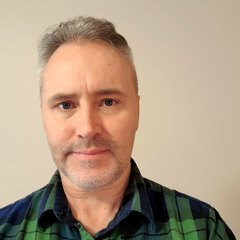
Conspiracism says you can’t trust the experts. The “so-called experts” have biases, vested interests, and contradict each other. And many Christians have come to see mainstream institutions as the enemy. But Christian scepticism toward expert knowledge isn’t new. Join Nigel Chapman as he explores how expertise actually works, how it self-corrects, and what faithful engagement with expert knowledge looks like for Christians.
Nigel Chapman studied Computer Science at UNSW and Divinity at Morling. By day he negotiates with the computers on behalf of the humans. He was co-convenor, editor, and lead author for the ISCAST lockdown project Who to Trust? Christian Belief in Conspiracy Theories (2022), which aimed to survey and summarise recent research on conspiracism, and to which a dozen highly qualified ISCAST members contributed their time. He lives in Melbourne and puzzles things out at chapman.wiki.
14 May — Rev. Dr Maja Whitaker
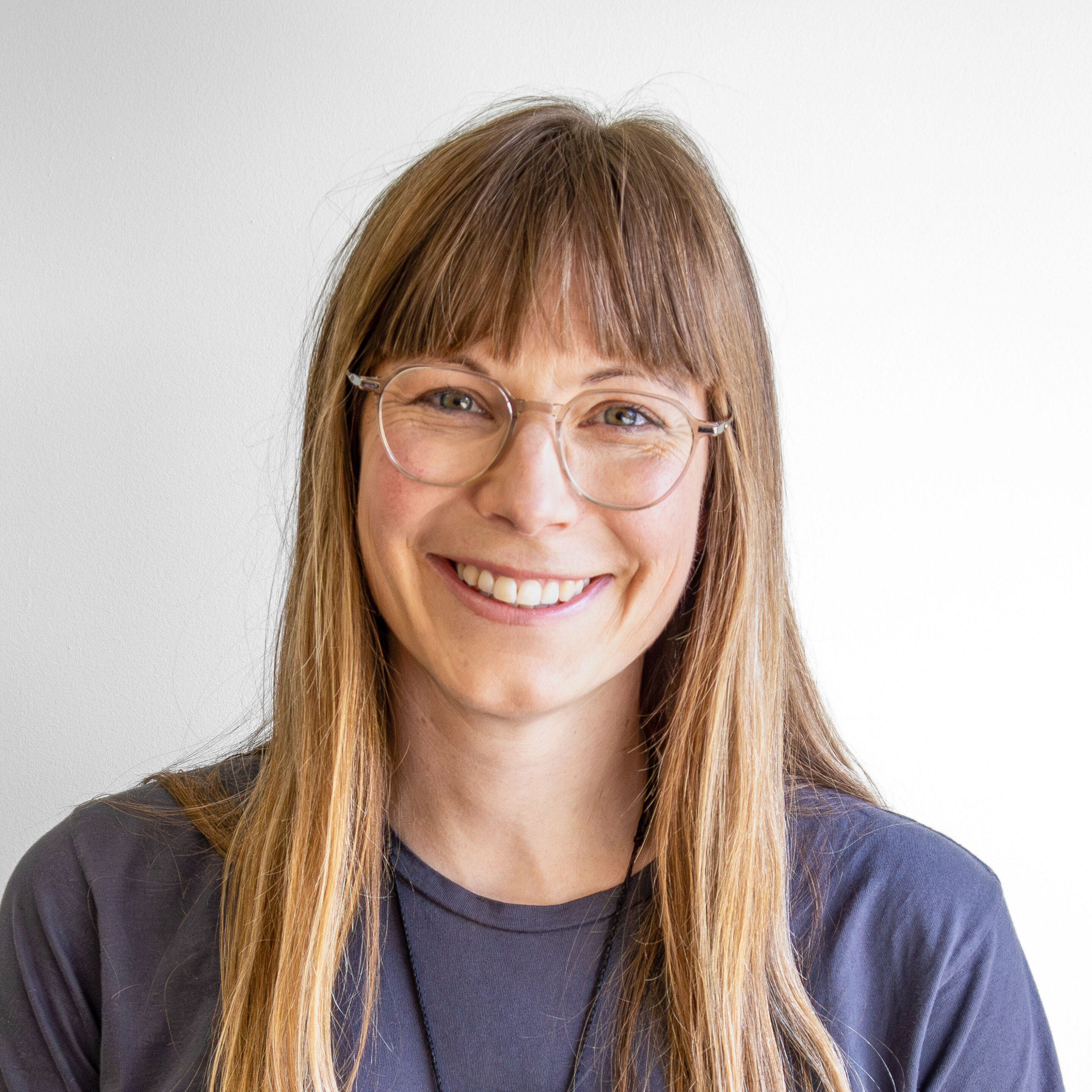
Why do conspiracy theories appeal to so many people? Join Rev. Dr Maja Whitaker to explore the psychological pull of conspiracy theorism and consider how conspiracy theories address fundamental human needs, provide compelling narratives, and foster powerful social networks.
Rev. Dr Maja Whitaker is Academic Dean and lecturer in Practical Theology at Laidlaw College in New Zealand, based at the Christchurch campus. She comes to theology from a background in anatomical science and bioethics, and is an ordained pastor in the ACTS movement.
21 May — Dr Jacob Martin
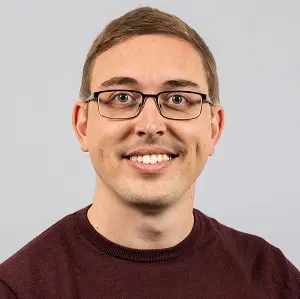
Scepticism is key to both the scientific method and a healthy faith. But how do we avoid being trapped in doubt? Dr Jacob Martin will outline an approach to dialogue that takes questions seriously. He will draw on stories of sceptical scientists who overcame doubt and share how to show gentleness and care for others amid a challenging information landscape.
Dr Jacob Martin is a materials scientist and nanotechnologist working on climate-stabilising technologies. Jacob has run the gamut in renewable and climate research, including biomass-to-power, algae biofuels, solar photovoltaics, carbon capture, soot pollution reduction, and carbon materials for hydrogen storage, water filtration, and batteries. He completed his PhD at the University of Cambridge in 2019 and is currently a lecturer in Physics and Astronomy at Curtin University in Perth, Australia.